Address
304 North Cardinal St.
Dorchester Center, MA 02124
Work Hours
Monday to Friday: 7AM - 7PM
Weekend: 10AM - 5PM

Address
304 North Cardinal St.
Dorchester Center, MA 02124
Work Hours
Monday to Friday: 7AM - 7PM
Weekend: 10AM - 5PM

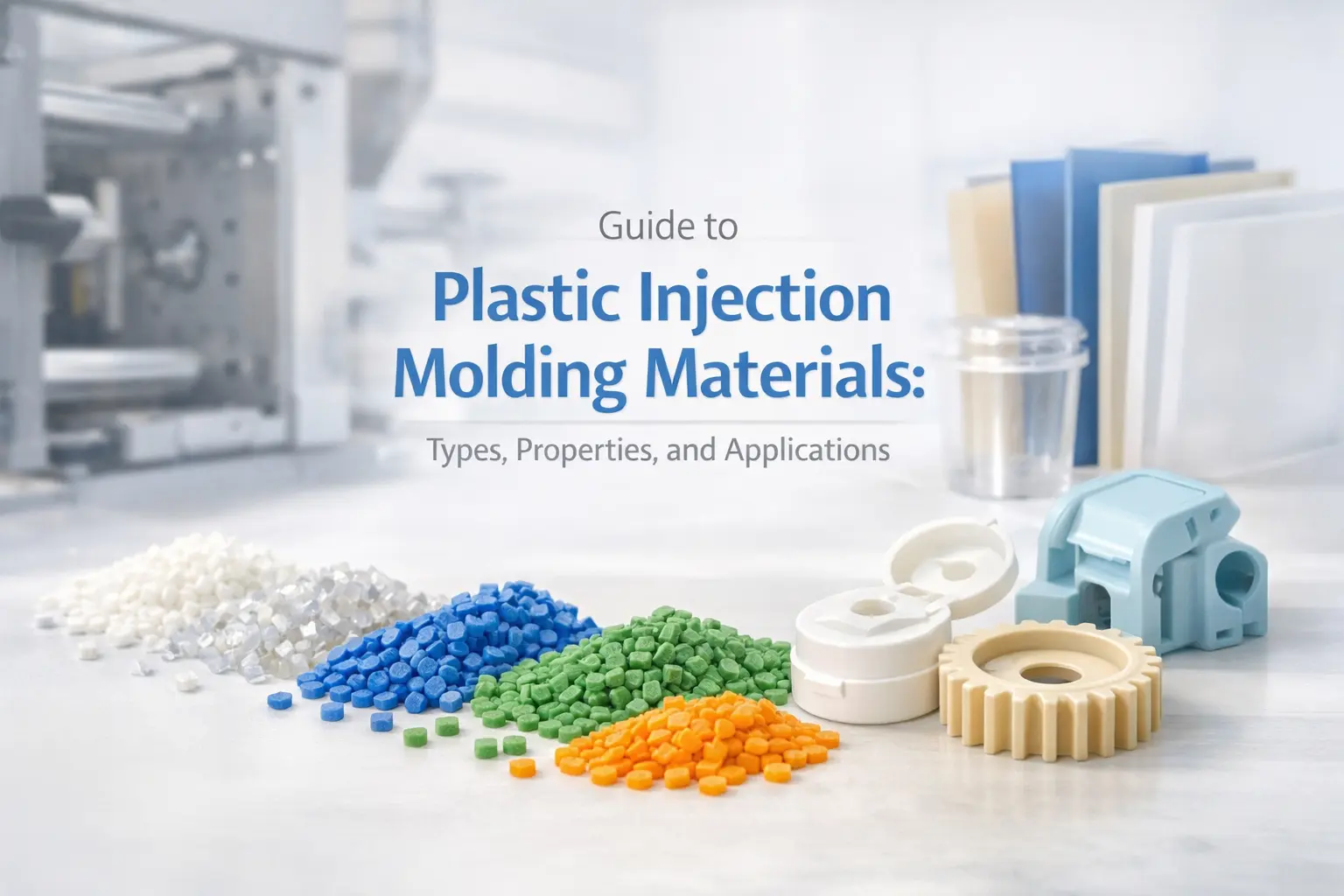
Plastic injection molding is one of the most versatile and widely used manufacturing processes in modern industry, enabling the production of complex, high-precision components across a variety of sectors. Its popularity stems from its ability to produce large volumes of parts efficiently, maintain tight tolerances, and achieve consistent quality at a competitive cost. Whether it is automotive components, consumer electronics, medical devices, or industrial machinery, the selection of the right plastic material is critical to ensuring the functionality, durability, and aesthetic appeal of the final product. Using an inappropriate material can lead to issues such as warping, cracking, insufficient mechanical strength, or poor surface finish, which can compromise both product performance and brand reputation. Therefore, understanding the characteristics and suitability of different materials is essential for engineers, designers, and manufacturers to optimize both the design and manufacturing process.
Material selection in plastic injection molding goes beyond simply choosing a polymer that can fill the mold. It involves evaluating how the material’s mechanical, thermal, chemical, and optical properties align with the product’s intended function and operating environment. For example, automotive interior parts often require thermoplastics like ABS or polycarbonate for their toughness, heat resistance, and excellent surface finish, while engine components might demand high-performance engineering plastics such as PEEK or reinforced nylon to withstand elevated temperatures, chemical exposure, and mechanical stress. The chosen material affects mold design, cycle times, and processing parameters. Additionally, proper material selection can improve long-term durability, reduce production defects, and optimize cost-efficiency. The more informed the selection process, the better the chances of producing a part that meets performance requirements without excessive trial and error during production.
The range of available injection molding materials is broad, offering options from standard thermoplastics to high-performance engineering plastics, thermosets, and even biodegradable polymers. Thermoplastics like ABS, polypropylene, and polyethylene dominate the market due to their ease of processing, recyclability, and versatility for mass production. Engineering plastics, including polycarbonate, polyamide (nylon), and polyoxymethylene, are used when high mechanical strength, wear resistance, and thermal stability are critical. Thermosetting plastics provide exceptional chemical and thermal resistance for specialized applications, such as electrical insulation or industrial components exposed to extreme conditions. Biodegradable plastics, such as PLA and PHA, are increasingly used in consumer packaging and medical disposables, reflecting growing environmental awareness. Understanding this diversity allows manufacturers to select materials that balance cost, performance, aesthetics, and sustainability, providing the foundation for producing high-quality, reliable injection molded parts that meet modern industrial standards.
Plastic injection molding materials are classified into several main categories, each with distinct characteristics and advantages suited to specific applications. These categories include thermoplastics, thermosets, engineering plastics, and biodegradable plastics. Selecting the appropriate material category is critical to achieving optimal performance, processing efficiency, and cost-effectiveness in manufacturing.
Thermoplastics are the most commonly used materials in injection molding because they can be melted and reshaped repeatedly without significant chemical change. This property allows for high-volume production with excellent reproducibility. Common thermoplastics include ABS (Acrylonitrile Butadiene Styrene), polypropylene (PP), polyethylene (PE), and polycarbonate (PC). ABS is favored for its high impact resistance and toughness, making it suitable for consumer electronics housings and automotive interior components. Polypropylene is valued for its chemical resistance and cost-effectiveness, commonly used in packaging, medical devices, and household products. Polycarbonate combines strength and transparency, making it ideal for safety equipment, lenses, and protective covers. The versatility and processability of thermoplastics make them the default choice for most standard injection molding applications.
Thermosets differ from thermoplastics in that they undergo a chemical curing process during molding, forming a rigid, cross-linked structure that cannot be remelted. This makes thermosets highly resistant to heat, chemicals, and deformation, which is crucial for electrical components, automotive under-the-hood parts, and industrial machinery components. Common thermosetting materials include phenolic resins, epoxy resins, and melamine. Although thermosets are less flexible in processing compared to thermoplastics, their superior thermal stability and chemical resistance make them indispensable for specialized applications where durability under extreme conditions is required.
Engineering plastics represent a class of polymers designed to provide enhanced mechanical, thermal, and chemical performance. Examples include polyamide (nylon), polyoxymethylene (POM), polyphenylene sulfide (PPS), and reinforced polycarbonate blends. These materials offer high strength, wear resistance, dimensional stability, and, in some cases, flame retardancy. They are widely used in gears, bearings, automotive components, and structural parts that must endure prolonged mechanical stress or high temperatures. Engineering plastics often require higher mold temperatures and longer cycle times, but their performance benefits justify the added processing complexity.
Biodegradable plastics, such as polylactic acid (PLA) and polyhydroxyalkanoates (PHA), are gaining traction due to environmental concerns and regulatory pressures. These materials can break down naturally under composting conditions, making them suitable for disposable packaging, food containers, and medical disposables. However, biodegradable plastics generally have lower heat resistance and mechanical strength compared to traditional engineering plastics, so their selection requires careful consideration of the intended application and environmental conditions. Incorporating biodegradable plastics in injection molding demonstrates a commitment to sustainability while meeting functional requirements for eco-conscious products.
The properties of injection molding materials directly influence the performance, durability, and manufacturability of the final product. Understanding these properties allows designers and manufacturers to select materials that meet both functional and production requirements.
Mechanical properties, including tensile strength, impact resistance, stiffness, and elongation, determine how a plastic component performs under load. ABS provides high impact resistance, making it suitable for protective housings, automotive interior parts, and consumer electronics components. Polycarbonate is known for its exceptional toughness and rigidity, ideal for safety devices, transparent enclosures, and impact-prone applications. Nylon (polyamide) offers excellent wear resistance and flexibility, frequently used in gears, mechanical bearings, and functional components that experience friction or repeated movement. Proper evaluation of mechanical properties ensures that the injection molded part can withstand operational stresses and meet longevity requirements.
Thermal properties, such as heat deflection temperature, melting point, and thermal expansion, are essential in determining a material’s suitability for high-temperature applications. High-performance engineering plastics like PEEK, PPS, and reinforced nylons can withstand extreme temperatures without deforming or losing mechanical integrity, making them suitable for automotive, aerospace, and industrial components. Standard thermoplastics, including polypropylene and polyethylene, have lower melting points but are ideal for applications that do not involve extreme heat, such as packaging, household items, and certain consumer products. Evaluating thermal properties helps prevent warping, shrinkage, and premature material failure during both molding and service life.
Chemical resistance is critical for materials used in environments exposed to oils, solvents, acids, or cleaning agents. Polypropylene, PTFE, and specific grades of polycarbonate resist chemical attack, ensuring durability and reliability in medical, automotive, and industrial applications. Conversely, ABS and other standard thermoplastics may degrade or discolor when exposed to certain chemicals, emphasizing the importance of evaluating chemical compatibility to avoid premature failure or safety hazards.
Optical properties include transparency, surface finish, colorability, and texture. Polycarbonate and PMMA (acrylic) provide excellent optical clarity for lenses, screens, and protective covers. ABS and nylon can be easily colored or textured to meet aesthetic and functional requirements. Considering these properties is essential not only for appearance but also for product functionality, such as light transmission, branding, or consumer perception.
Processing properties, including melt flow index, shrinkage, and moldability, directly affect production efficiency and part quality. Materials with high melt flow index fill molds more easily, enabling complex geometries and thinner wall sections, while low-shrinkage materials reduce warping and dimensional variability. Understanding these properties allows manufacturers to optimize mold design, cycle time, and processing parameters to achieve consistent, high-quality injection molded parts.
Plastic injection molding materials find applications across numerous industries due to their versatility, performance characteristics, and ability to be produced efficiently at scale. These applications range from automotive and consumer electronics to medical devices, packaging, and industrial machinery. Understanding the specific requirements of each application helps manufacturers select materials that meet performance, durability, and aesthetic expectations while optimizing cost and production efficiency.
In the automotive industry, injection-molded plastics play a critical role in both interior and exterior components. Thermoplastics such as ABS, polypropylene, and polycarbonate are widely used for dashboards, interior panels, bumpers, and connector housings because of their toughness, impact resistance, and ability to maintain surface quality over time. For under-the-hood components, engineering plastics like nylon (PA), POM, and PPS are often selected due to their high thermal resistance, chemical resistance, and mechanical strength. For example, gears, fluid system connectors, and structural mounts rely on the dimensional stability and wear resistance of these materials. Selecting the appropriate material ensures that automotive components can endure vibration, temperature fluctuations, exposure to chemicals, and long-term mechanical stress, while also contributing to overall vehicle weight reduction and fuel efficiency.
Consumer electronics are another major application area for injection-molded plastics. Housings, buttons, connectors, and structural components often require materials that combine mechanical strength with aesthetic appeal. Polycarbonate and ABS blends are common due to their impact resistance, ability to achieve smooth finishes, and ease of coloring or texturing. Transparent plastics such as PMMA or polycarbonate are used in screens, protective covers, and lenses, offering clarity and durability. Engineering plastics may be employed for components requiring high dimensional accuracy, thermal stability, and wear resistance, such as internal frames, gears, and electrical connectors. Material choice in electronics directly affects product durability, user experience, and brand perception, highlighting the importance of careful selection.
Medical applications demand strict compliance with regulatory standards, biocompatibility, and chemical resistance. Materials such as medical-grade polypropylene, polyethylene, and polycarbonate are frequently used for syringes, diagnostic devices, surgical instruments, and prosthetics. Biodegradable plastics like PLA are also increasingly used in disposable medical items, offering environmental benefits while meeting hygiene requirements. Material selection must consider sterilization methods, exposure to chemicals, mechanical stresses, and long-term safety. Properly chosen materials ensure reliability, safety, and performance in applications where failure is not an option.
Plastic injection molding is widely used in packaging for bottles, caps, containers, and closures. Materials like polypropylene, polyethylene, and polystyrene provide chemical resistance, durability, and lightweight properties essential for everyday packaging solutions. Biodegradable plastics are also gaining popularity in eco-conscious markets, particularly for disposable food containers and consumer products. The selection of packaging materials impacts the ability to achieve complex designs, maintain product integrity during shipping, and meet regulatory requirements such as food safety standards.
In industrial settings, injection-molded plastics serve functional roles in mechanical assemblies, conveyor systems, gears, and protective housings. High-performance engineering plastics like PEEK, PPS, and reinforced nylon offer exceptional mechanical strength, heat resistance, and dimensional stability under heavy-duty operating conditions. These materials are often used in high-wear applications such as gears, bushings, and mechanical fasteners where long-term durability is critical. The diversity of industrial applications underscores the importance of understanding material properties to ensure consistent performance, reduce maintenance requirements, and maximize part longevity.
Selecting the right plastic material for injection molding is a complex decision that requires evaluating multiple factors beyond basic cost. Each factor directly impacts the functionality, manufacturability, and overall performance of the final component. Failure to properly assess these considerations can result in poor part performance, increased production costs, and potential product recalls.
One of the first considerations is the mechanical and thermal performance required by the part. Tensile strength, impact resistance, stiffness, and elongation must match the expected operational load. For instance, structural components, mechanical gears, and automotive parts typically require high-performance engineering plastics like POM, nylon, or reinforced polycarbonate. Thermal properties, such as heat deflection temperature, melting point, and thermal expansion, must also align with operating conditions. Materials like PEEK and PPS are chosen for extreme temperature applications, while standard thermoplastics like polypropylene or ABS are sufficient for lower-temperature environments. Carefully assessing mechanical and thermal requirements ensures the component remains reliable throughout its intended service life.
Chemical exposure is another critical factor. Parts exposed to solvents, oils, acids, or cleaning agents require materials that can resist degradation, discoloration, or swelling. Polypropylene, PTFE, and certain grades of polycarbonate offer superior chemical resistance, making them ideal for medical devices, industrial components, and automotive fluid systems. Failure to evaluate chemical compatibility can lead to premature part failure, reduced safety, and increased replacement costs.
Injection molding processability is essential to achieving high-quality components efficiently. Factors such as melt flow index, shrinkage, and ease of molding affect mold design, cycle time, and production yield. High melt flow materials allow for easier filling of complex molds, while low-shrink materials reduce warping and dimensional inaccuracies. Proper consideration of processing characteristics helps prevent defects like voids, sink marks, or short shots, ensuring consistent part quality and minimizing manufacturing costs.
Surface finish, colorability, transparency, and texture must align with functional and visual requirements, especially in consumer products. Regulatory and environmental compliance, such as FDA approval for food contact or ISO standards for medical devices, is also critical. Balancing aesthetic and functional considerations ensures that the product meets both performance and market expectations.
Even experienced engineers can make costly errors when selecting materials for injection molding. Understanding common mistakes helps avoid defects, improve efficiency, and ensure the finished part meets all performance requirements.
One frequent mistake is prioritizing low-cost materials without evaluating their mechanical, thermal, or chemical performance. While cheaper plastics like ABS or standard polypropylene may seem attractive, they may fail under operational stress or high temperatures, leading to part failure, recalls, or warranty claims. A balanced approach ensures both performance and cost-effectiveness.
All plastics shrink as they cool, but the degree varies by material. Ignoring shrinkage and dimensional changes can result in warping, poor fit with mating parts, and increased rework. Engineers must account for shrinkage during mold design and material selection to maintain dimensional accuracy.
Materials must be compatible with operational chemicals, environmental conditions, and regulatory standards. Using a material that cannot resist exposure to oils, solvents, or UV light can lead to degradation, discoloration, or failure. For eco-conscious applications, failing to consider biodegradable or recyclable materials can reduce market competitiveness.
Certain materials are more difficult to process due to high melt viscosity, temperature sensitivity, or complex shrinkage behavior. Neglecting these processing characteristics can result in defects like short shots, voids, sink marks, or surface imperfections, increasing production costs and reducing quality.
Some designers choose materials based solely on short-term requirements without evaluating long-term durability, wear, or fatigue resistance. This can lead to early failure in mechanical, automotive, or industrial applications. Selecting materials that maintain performance over time ensures reliability, reduces maintenance costs, and strengthens customer trust.
WeYoung CNC has established itself as a leading provider of rapid manufacturing solutions, specializing in injection molding and custom plastic components. Our expertise spans the entire product lifecycle, from prototype development to low-volume production and full-scale manufacturing. By choosing WeYoung CNC, clients benefit from a combination of technical knowledge, advanced machinery, and strict quality control standards that ensure high-performance injection-molded parts tailored to their specific requirements.
WeYoung CNC operates state-of-the-art injection molding machines capable of processing a wide range of thermoplastics, engineering plastics, thermosets, and biodegradable materials. Our advanced equipment supports precision molding for both simple and complex geometries, allowing clients to achieve tight tolerances and consistent part quality. By leveraging modern multi-cavity molds, automated handling systems, and in-line quality inspection tools, we deliver fast turnaround times without compromising accuracy or repeatability.
Selecting the right material is critical for achieving optimal part performance. At WeYoung CNC, our engineering team works closely with clients to evaluate mechanical, thermal, chemical, and aesthetic requirements. We provide guidance on choosing the most suitable thermoplastics, engineering plastics, or biodegradable polymers for each application. This expertise reduces the risk of defects, improves product longevity, and ensures that the finished parts meet industry standards for automotive, medical, consumer electronics, and industrial applications.
Quality is a cornerstone of WeYoung CNC’s service. Every injection-molded component undergoes rigorous inspection to verify dimensional accuracy, surface finish, and material properties. Our quality management system aligns with ISO standards, ensuring that clients receive reliable, high-performance parts every time. In addition, our rapid prototyping and low-volume production capabilities allow clients to test designs and materials before committing to large-scale production, minimizing risks and optimizing manufacturing efficiency.
WeYoung CNC places a strong emphasis on client collaboration and support. From initial consultation and material recommendation to mold design and post-production finishing, we provide end-to-end services tailored to each project. Our team’s responsiveness, technical guidance, and commitment to meeting tight deadlines make us a trusted partner for companies seeking high-quality injection-molded parts delivered quickly and reliably.
Plastic injection molding materials are at the heart of modern manufacturing, enabling the production of precise, durable, and cost-effective components for a wide range of industries. The choice of material directly affects mechanical performance, thermal stability, chemical resistance, aesthetic appeal, and manufacturability. By understanding the differences between thermoplastics, thermosets, engineering plastics, and biodegradable polymers, manufacturers and designers can make informed decisions that optimize product functionality, production efficiency, and long-term reliability.
Careful evaluation of mechanical, thermal, chemical, and processing properties ensures that the selected material meets the specific needs of each application. Automotive, consumer electronics, medical, packaging, and industrial applications all impose unique requirements that must be considered during material selection. Neglecting these factors can lead to costly errors, poor product performance, and decreased customer satisfaction.
Common mistakes, such as prioritizing cost over performance, ignoring shrinkage and chemical compatibility, or overlooking processing challenges, can compromise both part quality and manufacturing efficiency. Awareness of these pitfalls and close collaboration with experienced manufacturers, such as WeYoung CNC, ensures that products are designed and produced to the highest standards.
By leveraging expertise, advanced machinery, and rigorous quality control, WeYoung CNC provides clients with injection-molded parts that consistently meet or exceed expectations. Our focus on rapid manufacturing, material guidance, and full project support allows businesses to bring products to market faster while maintaining reliability, performance, and aesthetic quality. Ultimately, choosing the right materials and a skilled partner like WeYoung CNC is essential for achieving success in today’s competitive manufacturing landscape.
WeYoung CNC can process a wide range of thermoplastics, engineering plastics, thermosets, and biodegradable polymers. Common materials include ABS, polycarbonate, polypropylene, polyethylene, nylon (PA), POM, PPS, PEEK, PLA, and PMMA. Each material is selected based on mechanical, thermal, chemical, and aesthetic requirements of the application.
Our engineering team works closely with clients to evaluate their product requirements, operating environment, and performance expectations. We provide guidance on material selection to ensure that the finished part achieves optimal mechanical strength, thermal stability, chemical resistance, and surface finish, reducing risk and improving reliability.
Yes. Our advanced injection molding machines and multi-cavity molds are capable of producing parts with complex geometries, tight tolerances, and high surface quality. We also offer in-line quality inspection to ensure consistent performance for each component.
Absolutely. WeYoung CNC specializes in rapid prototyping, pre-production, and low-volume injection molding. This allows clients to test designs and materials before scaling up to full production, ensuring functional validation and minimizing risks.
WeYoung CNC follows strict quality management practices aligned with ISO standards. Every part undergoes dimensional verification, material inspection, and surface finish checks. Our team monitors each step of the production process to maintain consistency and reliability across batches.
