Address
304 North Cardinal St.
Dorchester Center, MA 02124
Work Hours
Monday to Friday: 7AM - 7PM
Weekend: 10AM - 5PM

Address
304 North Cardinal St.
Dorchester Center, MA 02124
Work Hours
Monday to Friday: 7AM - 7PM
Weekend: 10AM - 5PM
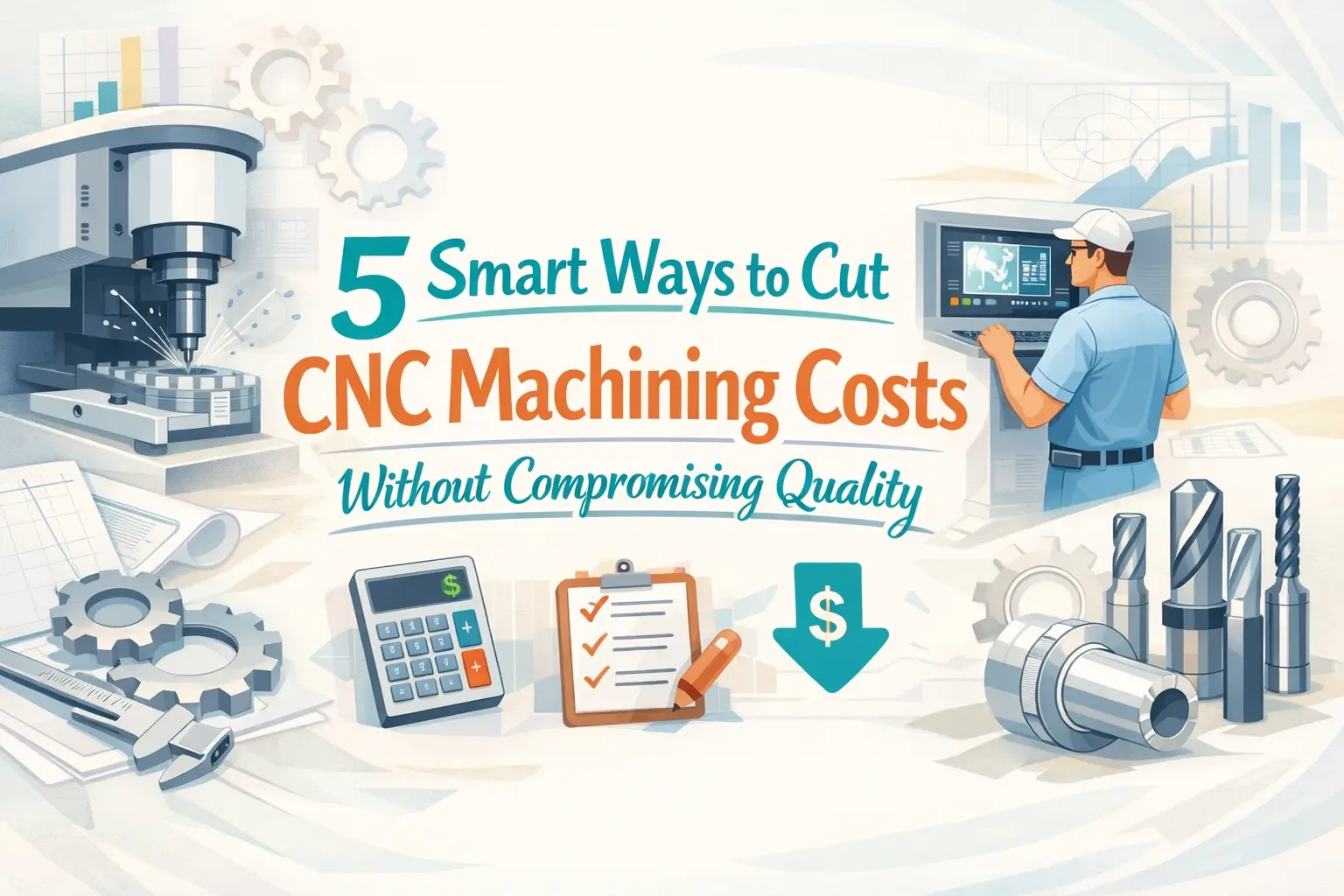
CNC machining plays a critical role in modern manufacturing, delivering precision parts for industries ranging from aerospace to consumer electronics. However, production costs can quickly add up if material selection, part design, or machining processes aren’t carefully planned. Small inefficiencies—like over-specifying tolerances, using expensive materials unnecessarily, or designing overly complex components—can significantly increase both time and expense. At WeYoung CNC, we specialize in helping clients identify these cost drivers early in the development process. By combining engineering expertise with advanced CNC capabilities, we guide you toward smarter design choices, efficient machining strategies, and material options that maintain quality while reducing costs. Whether you’re prototyping a new product or running a full production batch, our goal is to deliver precision parts that meet your specifications and your budget.
Choosing the right material is one of the most effective ways to reduce costs in CNC machining. Different materials vary not only in price but also in machinability, availability, and waste rates. For example, aluminum and certain plastics are generally easier to machine and less expensive than stainless steel or titanium.
Materials that are easier to cut reduce cycle times and wear on tools, directly lowering labor and tooling costs.
Choosing widely available materials can prevent delays and reduce shipping costs, especially for large production runs.
Selecting a material that minimizes scrap or allows for more parts per raw stock piece helps control costs and supports sustainable manufacturing practices.
At WeYoung CNC, our engineers work closely with clients to evaluate material options during the design stage. By recommending cost-effective and high-performance materials, we help ensure your CNC machining parts are not only precise but also budget-friendly.
Complex part designs often increase machining time, tooling wear, and production costs. By simplifying your part design, you can reduce both manufacturing time and overall expenses without compromising functionality.
Every additional cut, hole, or intricate feature adds time to the machining process. Eliminating non-essential details can significantly cut costs.
Using standard hole sizes, thread types, and component dimensions helps streamline production and makes it easier to source compatible tools and materials.
While precision is important, specifying extremely tight tolerances for all features can drive up machining time and scrap rates. Only apply tight tolerances where absolutely necessary for part function.
At WeYoung CNC, we work with clients to review and optimize part designs before production. Our engineering team suggests design adjustments that maintain performance while reducing complexity, helping you produce high-quality CNC machining parts more efficiently and cost-effectively.
Producing multiple small components that later need assembly can increase both labor and material costs. Consolidating parts into fewer, multifunctional components can streamline manufacturing, reduce assembly time, and minimize potential errors.
By combining several parts into a single piece, you reduce the number of setups, machining operations, and materials required, which directly lowers production costs.
Fewer parts mean less assembly work, reducing labor hours and the chance of mistakes during the assembly process.
Consolidated parts often result in stronger, more reliable components, as there are fewer joints or connections that could fail over time.
At WeYoung CNC, our team collaborates with clients to identify opportunities for part consolidation during the design phase. We focus on creating efficient designs that save time, materials, and cost, while still delivering high-precision CNC machining parts that meet your exact specifications.
Tighter tolerances require slower machining, more quality checks, and higher scrap rates, all of which increase production costs. By carefully evaluating which tolerances are truly necessary, you can save both time and money while maintaining part performance.
Only apply tight tolerances to features that directly affect part function. Looser tolerances on non-critical areas can reduce machining time and tooling wear.
Finding the right balance between accuracy and manufacturability helps control costs without compromising quality. Over-specifying tolerances can unnecessarily increase both labor and material expenses.
Experienced CNC engineers can recommend where tolerances can be relaxed safely, optimizing the design for efficiency and cost.
At WeYoung CNC, we guide clients through tolerance decisions during the design stage. By applying practical tolerances based on part function and performance requirements, we help ensure your CNC machining parts are both precise and cost-effective.
Working with an experienced CNC manufacturer can significantly reduce production costs and improve part quality. A knowledgeable partner provides guidance on design, materials, and machining strategies that you might not realize could save time and money.
Experienced manufacturers can suggest design improvements, cost-effective materials, and efficient machining processes that minimize waste and reduce production time.
Optimize Toolpaths and Processes
Skilled CNC engineers can optimize toolpaths, choose the right cutting strategies, and select the most suitable machines for your parts, ensuring faster production and lower tooling costs.
Manufacturing errors, delays, or over-engineered designs can be costly. Partnering with a trusted CNC manufacturer helps prevent these issues and keeps your projects on schedule and within budget.
At WeYoung CNC, we combine years of CNC machining experience with advanced equipment and engineering expertise. We work closely with clients to optimize designs, recommend the best materials, and streamline production processes. By choosing us, you ensure that your CNC machining parts are high-quality, cost-efficient, and delivered on time.
Q1: How can material choice affect CNC machining costs?
A1: Material selection impacts machining time, tool wear, and scrap rates. Choosing easier-to-machine or widely available materials like aluminum or certain plastics can significantly reduce costs.
Q2: Why is part design simplification important for cost reduction?
A2: Simplified designs reduce machining time, tooling requirements, and assembly work, which directly lowers production expenses while maintaining functionality.
Q3: When should tolerances be tightened or relaxed?
A3: Tight tolerances should only be applied to critical features that affect part function. Non-critical areas can use looser tolerances to save machining time and reduce scrap.
Q4: How does consolidating parts save money?
A4: Combining multiple components into a single multifunctional part reduces the number of setups, machining operations, assembly steps, and material usage, lowering both labor and material costs.
Q5: Why work with an experienced CNC manufacturer?
A5: Experienced manufacturers like WeYoung CNC provide guidance on design, material selection, machining strategies, and quality control, helping reduce costs, avoid errors, and ensure high-quality parts.
Reducing costs for CNC machining parts doesn’t mean sacrificing quality. By optimizing material selection, simplifying designs, consolidating parts, carefully managing tolerances, and partnering with an experienced manufacturer, you can achieve both efficiency and precision. At WeYoung CNC, we specialize in helping clients implement these cost-saving strategies from design to production. Our team ensures your CNC machining parts are manufactured with high accuracy, optimal materials, and competitive costs, supporting your project’s success every step of the way.
